Unraveling How Layered Reward Mechanisms Influence Game Selection Patterns Among British Players
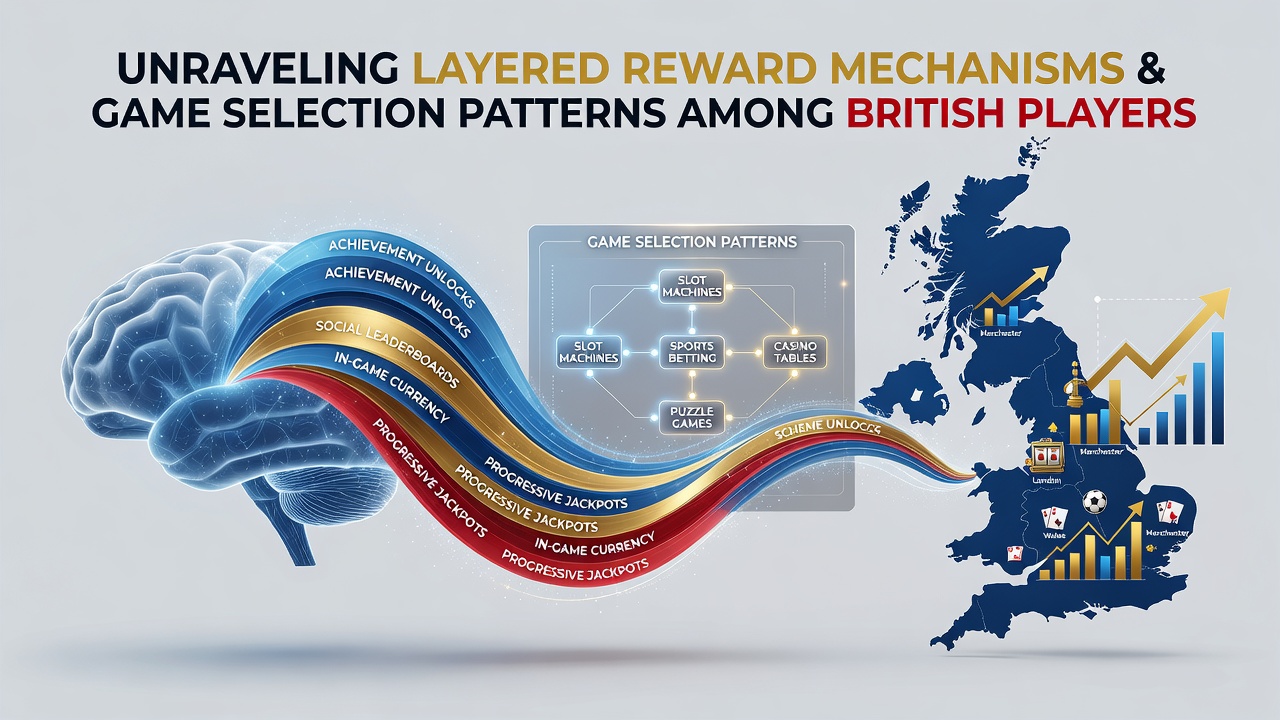
British players encounter layered reward mechanisms that stack welcome bonuses with ongoing loyalty tiers and milestone incentives, and these structures shape decisions about which games receive the most playtime according to industry reports and player behavior analyses.
Layered systems typically begin with initial deposit matches and free spin allocations that direct attention toward specific slot titles, while subsequent progress through VIP levels unlocks cashback percentages and personalized offers that often favor table games or live dealer formats with higher return-to-player rates.
Mechanics Behind Multi-Tiered Incentives
Operators construct these layers so that early rewards encourage exploration of high-volume slot categories, whereas advanced tiers introduce multipliers and exclusive events that steer experienced participants toward games carrying elevated stakes and potential returns. Data from multiple European markets shows participants advance through tiers faster when they concentrate activity on designated titles, which creates measurable shifts in overall game selection patterns over time.
Points accumulation formulas vary by operator, yet most assign greater value to certain categories such as progressive jackpot slots during promotional windows, and this weighting influences the duration players dedicate to each game type before moving onward.
Observed Shifts in Game Preferences
Studies tracking account-level activity reveal that players receiving tiered loyalty credits tend to increase time spent on live roulette and blackjack once they reach mid-level status, because those formats deliver the cashback and reload bonuses needed to maintain momentum. Conversely, entry-level participants remain concentrated on video slots that align with the free spin components of welcome packages.
What's interesting is how promotional calendars released each quarter amplify these effects, as limited-time multipliers on particular game libraries prompt temporary migrations away from habitual choices and toward titles featured in the current reward layer.

One analysis conducted across several licensed platforms indicated that participants exposed to escalating reward layers reduced their average session length on low-volatility slots by nearly 30 percent after unlocking the second tier, while sessions on medium-volatility options grew correspondingly.
Regulatory Context and Upcoming Adjustments
Changes scheduled for implementation around June 2026 will require operators to disclose the precise weighting each game contributes to tier progression, and observers expect this transparency to alter selection patterns further by allowing players to calculate optimal paths through the reward structure before committing funds. Similar disclosure requirements already exist in other jurisdictions, such as those overseen by the Nevada Gaming Control Board, where published data shows clearer reward mapping correlates with more diversified game libraries among loyalty members.
Additional research from the Responsible Gambling Council in Canada highlights how structured incentives can redirect play toward skill-influenced formats once participants understand the contribution rates attached to each title.
Player Behavior Patterns Across Demographics
Younger British adults demonstrate stronger responses to immediate free spin layers that emphasize popular slot series, whereas older cohorts progress more steadily toward loyalty benefits attached to table game variants. These demographic distinctions emerge consistently in aggregated platform statistics and align with findings from academic reviews of reward psychology in digital entertainment environments.
Seasonal events that combine multiple layers, such as holiday tournaments offering both points and direct cash prizes, produce the most pronounced temporary realignments in game selection, with participants reallocating play across categories they otherwise underutilize.
Conclusion
Layered reward mechanisms continue to function as primary drivers of game selection among British players, with each tier introducing new incentives that redistribute activity across slot, table, and live dealer offerings. Transparency measures expected in 2026 may refine these dynamics by providing clearer contribution data, yet the core relationship between reward structure and player choices remains evident across available datasets and platform analytics.