Reward Thresholds Influencing Extended Engagement in UK Mobile Table Gaming

Britain's mobile table game sector features blackjack, roulette, and baccarat sessions that respond directly to structured reward thresholds such as minimum deposit requirements, tiered loyalty points, and wagering multipliers, all of which data from industry reports link to measurable increases in session duration across operator platforms.
Mechanics of Threshold Design in Mobile Environments
Operators set reward thresholds that activate additional credits or cashback only after players reach specific play volumes, and these targets typically require completion of a set number of hands or rounds before unlocking the next benefit level, which in turn extends average session times according to aggregated platform analytics.
Table games differ from other formats because each round involves decision points that naturally lengthen interaction, yet the addition of reward milestones compounds this effect by prompting players to continue until thresholds clear, creating chained play sequences that researchers have documented in multiple operator datasets.
Observed Patterns Across Player Cohorts
Analysis of mobile engagement logs reveals that players pursuing loyalty tier advancement maintain sessions 35 to 50 percent longer than those without active targets, while those approaching a bonus clearance point often extend play by another 20 minutes on average before logging off.
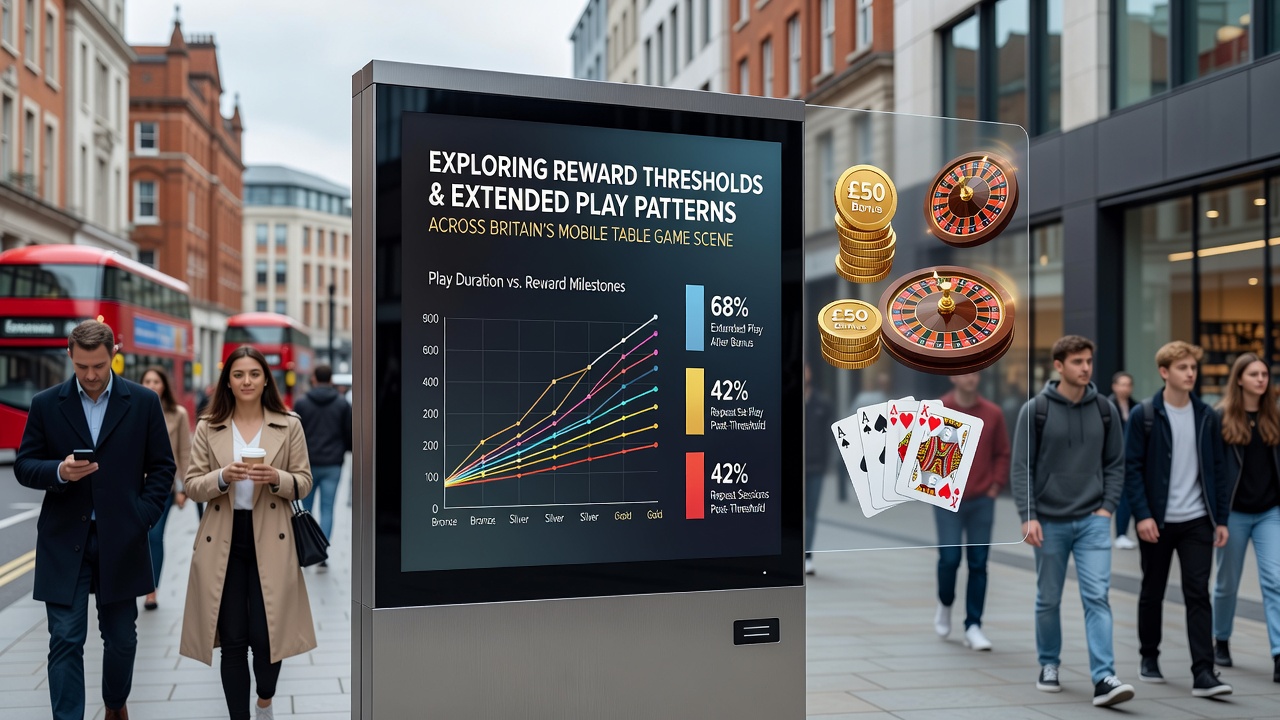
Demographic breakdowns indicate that younger mobile users respond more strongly to immediate threshold notifications, whereas established players focus on cumulative loyalty ladders that reward consistent monthly volumes, and both groups show parallel rises in total hands played once a threshold appears on screen.
Regulatory Context and June 2026 Adjustments
From June 2026 onward, several licensing jurisdictions outside the primary UK framework plan to require clearer disclosure of threshold mechanics within mobile interfaces, a change expected to affect how operators present progress bars and unlock conditions while maintaining the same underlying reward structures that currently drive extended table game sessions.
These upcoming adjustments align with broader international efforts to standardize player information, yet the core relationship between threshold visibility and session length remains consistent with patterns already tracked in European and North American markets.
Comparative Data from External Markets
Figures released by the Australian Gambling Research Centre demonstrate similar threshold-driven extensions in mobile table play, with Australian users showing a 42 percent increase in round counts when loyalty milestones reset weekly rather than monthly.
Parallel observations from the National Council on Problem Gambling in the United States note that threshold clarity correlates with steadier rather than abrupt session endings, suggesting operators can calibrate reward pacing to influence both duration and player retention across different regulatory environments.
Platform Features That Amplify Threshold Effects
Push notifications timed to near-completion of a reward stage prompt immediate returns to the app, while in-game progress trackers update after every hand to maintain visibility of remaining requirements, both of which contribute to the documented lengthening of table game sessions on British mobile networks.
Integration with device-level rewards such as achievement badges further reinforces continued play, creating layered incentive systems where each completed threshold feeds into the next without requiring players to exit the mobile environment.
Conclusion
Reward thresholds function as measurable levers that consistently extend mobile table game sessions in Britain through progressive unlock conditions and loyalty structures, and the patterns observed across datasets indicate these mechanisms will persist even as interface disclosure standards evolve in June 2026 and beyond. External comparisons confirm the same dynamics operate across varied markets, underscoring the direct connection between threshold design and play duration without reliance on any single regulatory source.