Progressive Reward Systems and Their Role in Sustaining Mobile User Cycles Within Regulated Digital Gaming
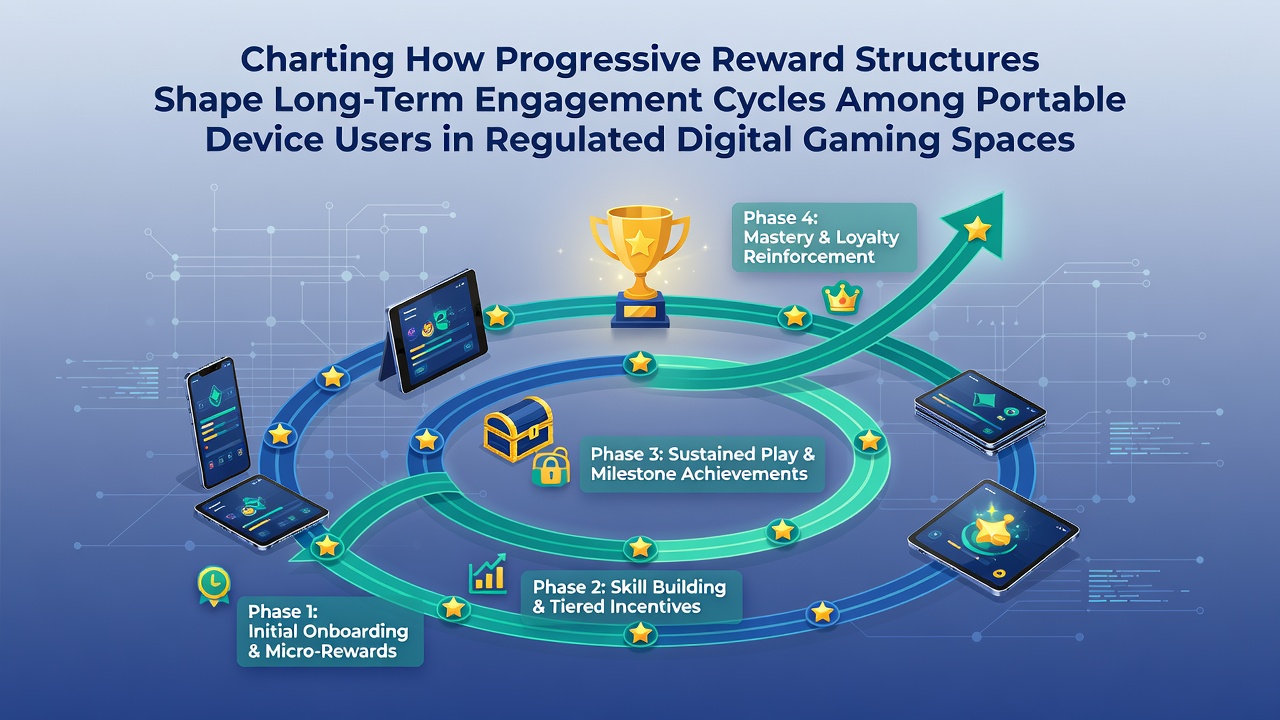
Data from multiple regulatory jurisdictions shows that progressive reward structures, such as tiered loyalty programs and escalating bonus multipliers, correlate with extended user activity periods on portable devices in licensed digital gaming environments. Researchers tracking participation metrics across North America and Europe have documented patterns where users advance through reward levels over months rather than weeks, with mobile sessions increasing in frequency as users near higher tiers. According to reports compiled by the Nevada Gaming Control Board, mobile gaming accounts for over 65 percent of total handle in regulated markets, and operators implementing graduated incentives report average session durations extending by 18 to 24 percent compared to flat reward models.
Defining Progressive Structures in Mobile Contexts
Progressive reward systems operate through incremental thresholds that unlock enhanced benefits, including higher cashback percentages, exclusive game access, and personalized multipliers. In regulated spaces these mechanisms must comply with licensing conditions that require transparent disclosure of terms, and operators adjust mobile interfaces to display progress bars and upcoming rewards clearly. Studies conducted by academic teams at institutions such as the University of Nevada, Las Vegas, indicate that users who reach the second or third reward tier demonstrate retention rates 40 percent higher than those who remain at entry levels, with portable device notifications playing a measurable role in prompting return visits.
Operators structure these systems around cumulative activity metrics like total wagers, time spent, or specific game categories. Mobile applications integrate push notifications and in-app calendars that highlight milestones, and data collected from Canadian provincial regulators shows similar engagement lifts when rewards scale visibly on smartphones. The design avoids abrupt resets, instead carrying progress forward across calendar periods to maintain continuity for users who log in daily or weekly.
Engagement Cycles and Portable Device Patterns
Long-term engagement cycles typically unfold across three to six month windows in which users move from initial trial to consistent participation. Portable device telemetry reveals that session frequency rises sharply once users accumulate enough activity to unlock mid-tier benefits, and operators note that tablet and smartphone users respond more readily to visual progress indicators than desktop counterparts. Evidence gathered by the Australian Communications and Media Authority points to a 22 percent increase in repeat logins among mobile users enrolled in escalating reward programs, particularly when those programs tie rewards to seasonal events or limited-time multipliers.
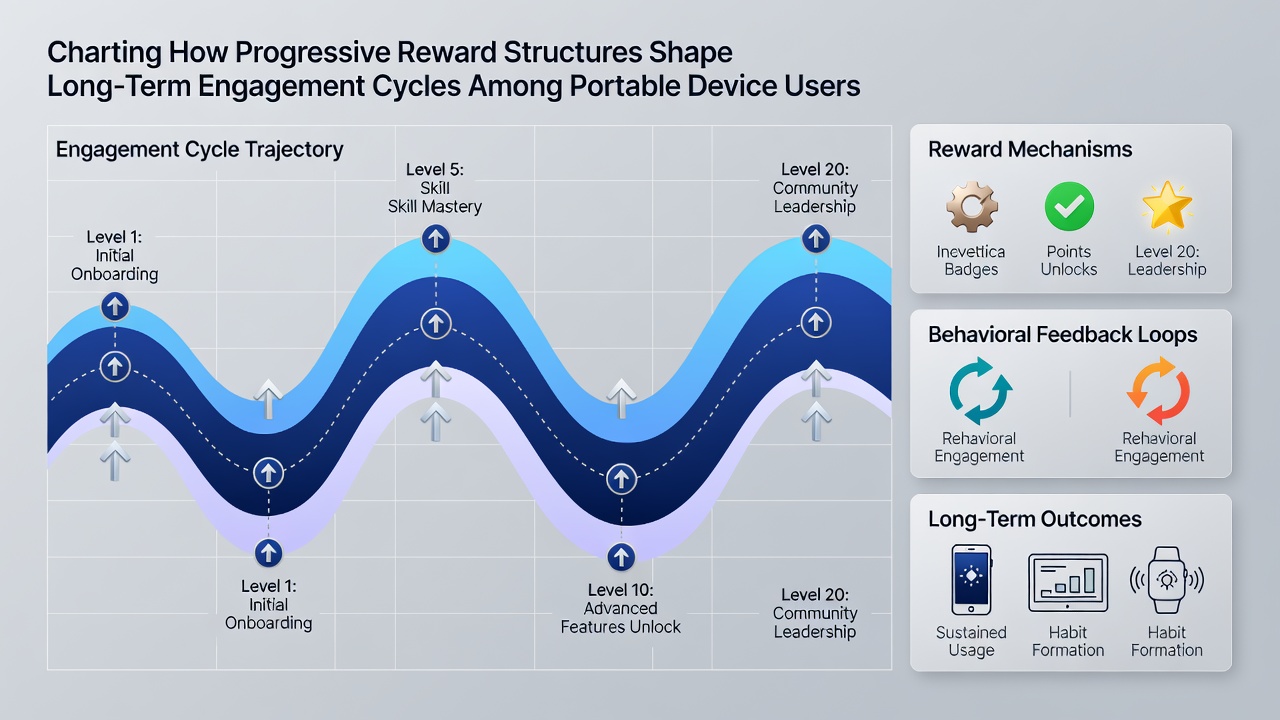
What's notable is the way mobile interfaces allow real-time tracking, enabling users to monitor their advancement without switching devices. Regulatory frameworks in several European markets require that reward progress remain accessible even during periods of reduced activity, preventing loss of earned status. This continuity contributes to cycle extension, as users who pause for several weeks still retain partial progress and often resume once prompted by milestone reminders.
Regulatory Adjustments Effective July 2026
Beginning in July 2026, certain licensing authorities will introduce updated conditions requiring clearer segmentation of reward disclosures within mobile applications. These changes mandate that operators display both immediate and future-tier benefits on the primary screen, a measure intended to support informed participation. Preliminary guidance from oversight bodies indicates that compliance will involve standardized icons and progress summaries rather than lengthy text blocks, aligning with observed mobile user preferences for quick visual reference.
Industry associations such as the European Gaming and Betting Association have circulated draft templates that operators can adapt for their platforms. The adjustments coincide with broader data collection requirements that track how different reward tiers influence session length and device type, providing regulators with comparative figures across markets. Observers note that these forthcoming rules build on existing transparency standards without restricting the core structure of progressive incentives.
Comparative Data Across Jurisdictions
Cross-regional comparisons highlight consistent trends. In markets where regulators permit tiered rewards, mobile engagement metrics show steadier growth curves over twelve-month periods. A report issued by the New Zealand Department of Internal Affairs recorded that users advancing through four or more reward levels maintained accounts active for an average of 9.4 months, compared with 5.1 months for those who stayed at base level. Similar patterns appear in analyses from Singapore's Gambling Regulatory Authority, where mobile-specific reward ladders correlate with higher lifetime value per account when measured against non-progressive alternatives.
Operators adjust reward velocity according to local rules, for instance by capping daily progress in some jurisdictions while allowing faster advancement in others. The resulting datasets allow researchers to isolate the impact of reward design from broader market factors such as game variety or payment options.
Conclusion
Records maintained by regulatory bodies and academic research teams demonstrate measurable links between progressive reward structures and extended engagement cycles among portable device users in regulated digital gaming spaces. As new disclosure requirements take effect in July 2026, operators continue to refine mobile interfaces to present tier progression clearly while meeting compliance standards. The patterns documented across multiple jurisdictions indicate that graduated incentives sustain participation when supported by transparent tracking tools and consistent progress mechanics.