Player Retention Evolution: Integrated Rewards in Mobile Casino Ecosystems
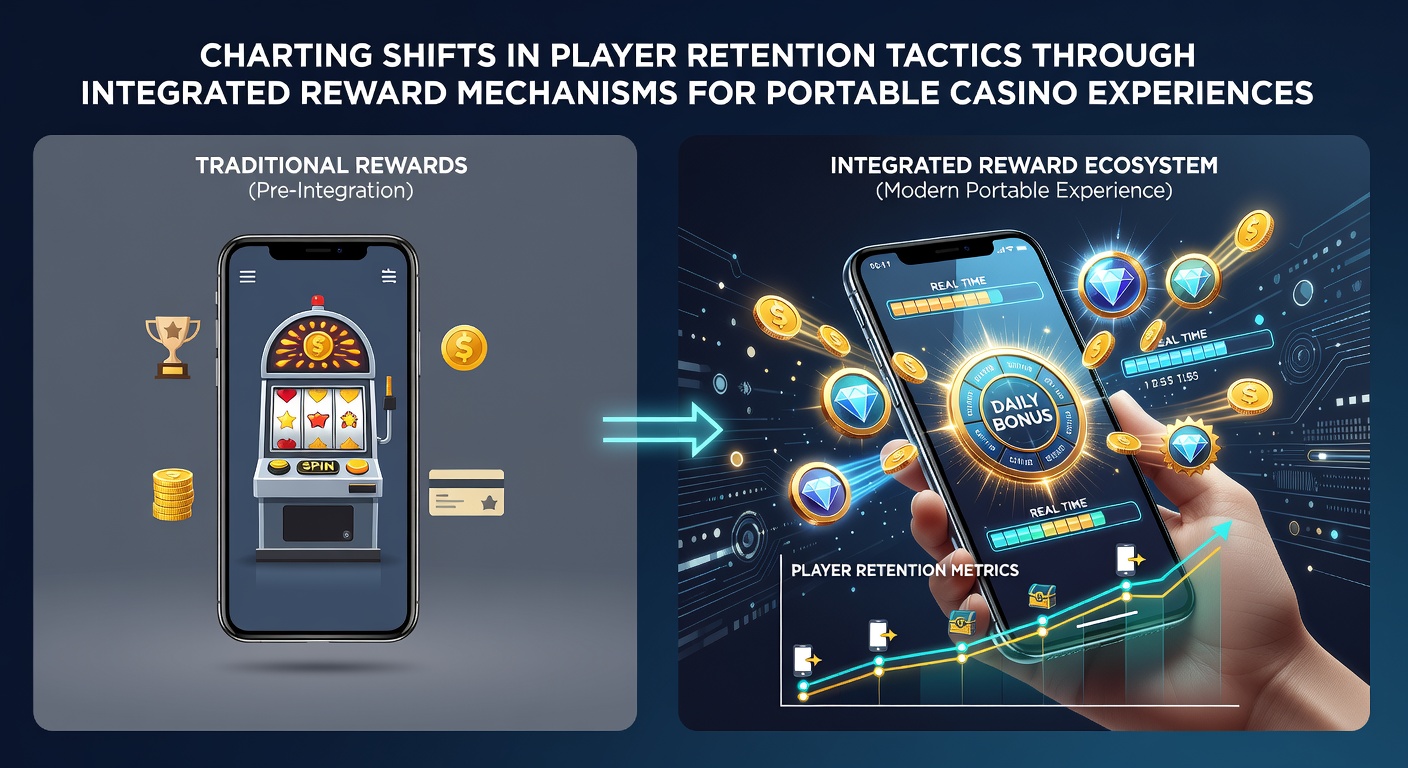
Retention tactics in portable casino platforms have undergone measurable changes since the widespread adoption of smartphones for gaming, with operators shifting focus from isolated bonus offers toward systems that combine multiple reward types into single user journeys. Data from industry reports indicate that these integrated mechanisms now account for a larger share of engagement metrics across mobile applications, where seamless access and real-time updates play central roles in maintaining activity levels.
Early Approaches to Mobile Retention
Initial strategies in the portable sector relied on standalone promotions such as deposit matches or fixed free spin allocations delivered through separate campaigns, yet these methods showed limitations in sustaining longer-term participation once the initial offer concluded. Observers note that fragmentation between different reward types often led to lower redemption rates, prompting developers to explore unified frameworks that link progress across various game categories and account features.
By the mid-2020s, platforms began embedding reward tracking directly into app interfaces, allowing users to accumulate points from table games, slots, and live dealer sessions toward shared milestones. This consolidation reduced the need for players to navigate multiple menus or claim processes, which in turn aligned with broader patterns of increased session frequency recorded in platform analytics.
Core Components of Integrated Systems
Modern integrated reward setups typically merge elements like tiered loyalty points, dynamic bonus multipliers, and personalized mission lists into one dashboard view. Research indicates that such layering enables operators to adjust incentive values based on individual play patterns without requiring separate administrative steps, creating a continuous feedback loop that responds to user behavior in near real time.
Portable experiences benefit particularly from this structure because push notifications and in-app alerts can surface relevant rewards at moments of high engagement, such as after a completed round or during a winning streak. Figures from mobile analytics providers reveal that apps employing these synchronized features maintain higher daily active user counts compared with those using disconnected promotion streams.
Regional Data Trends Through 2026
Reports compiled in May 2026 highlight continued growth in mobile casino participation across multiple jurisdictions, with integrated reward models appearing in a growing percentage of new platform launches. According to findings from the American Gaming Association, operators in regulated markets have documented shifts where combined reward pathways correlate with extended play durations, especially among users accessing games through tablets and smartphones during commuting or leisure periods.
Similar patterns emerge in analyses from Australian research institutions tracking digital entertainment consumption, where cross-category reward accumulation shows measurable effects on return rates. These studies track variables such as time between sessions and total transaction volume, noting that unified systems reduce drop-off points that previously occurred when players exhausted isolated offers.
Technical Implementation Examples
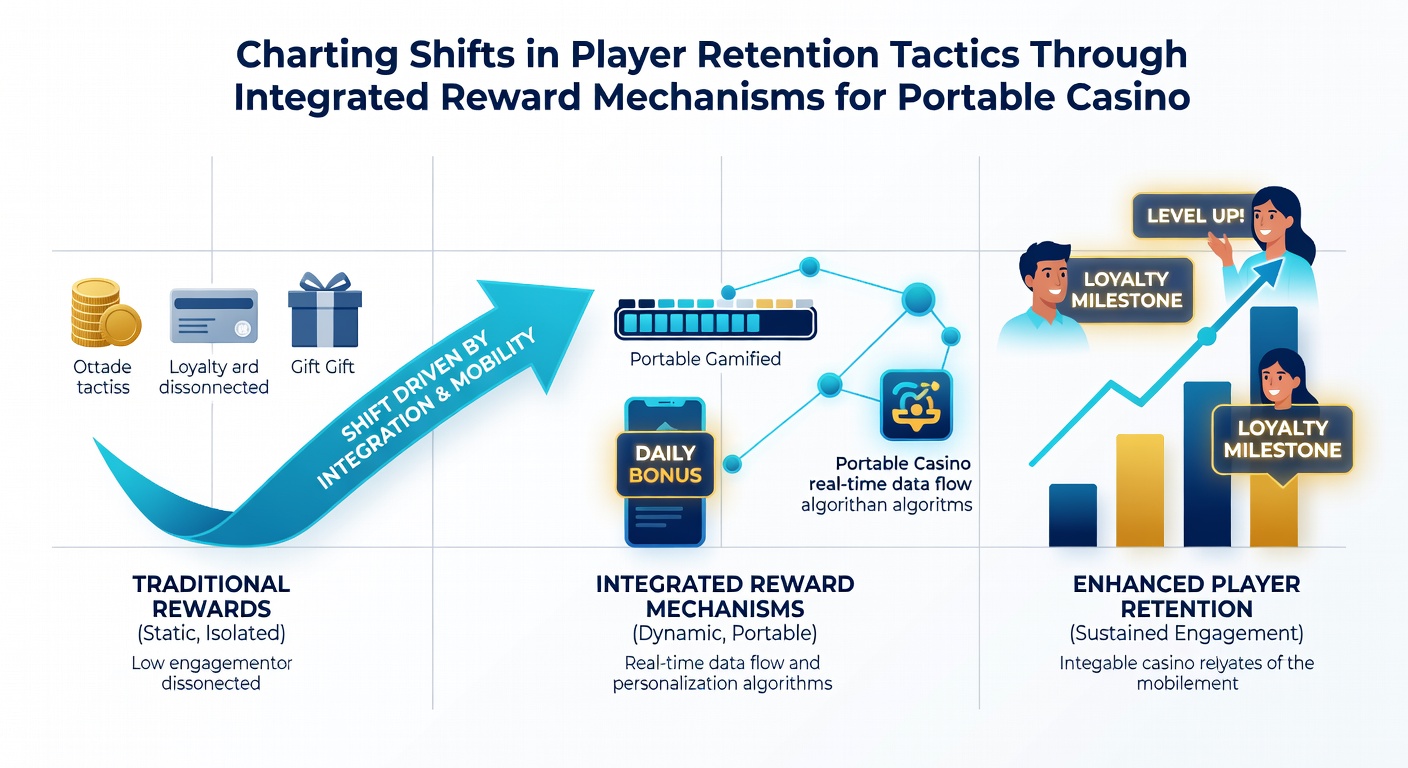
One documented case involves platforms that synchronize loyalty ladders with time-limited events, where completing a set of mobile-exclusive challenges unlocks both immediate credits and progress toward higher VIP status. Developers achieve this through backend systems that pull data from multiple game servers into a central profile, ensuring consistency across devices even when users switch between phones and tablets mid-session.
Another approach layers deposit incentives directly into ongoing loyalty calculations, so that funds added during a promotion automatically contribute to tier advancement without requiring manual tracking by the player. This method appears in several European market applications, where regulatory requirements for transparent bonus terms align with the need for clear, integrated displays of all active rewards.
Measurement and Adjustment Practices
Operators rely on cohort analysis and A/B testing to refine these integrated setups, comparing retention curves between groups exposed to different reward combinations. Evidence suggests that adjustments made in response to real-time data, such as increasing the visibility of certain milestones, produce incremental gains in weekly retention percentages across tested user segments.
Industry organizations including the European Gaming and Betting Association have published summaries of these testing methodologies, emphasizing the importance of maintaining balance between reward frequency and perceived value to avoid diminishing returns. Such documentation provides benchmarks that new entrants to the mobile sector can reference when designing their own systems.
Conclusion
Integrated reward mechanisms continue to shape how portable casino platforms approach player retention, with data from 2026 indicating ongoing refinement rather than wholesale replacement of earlier tactics. The combination of technical synchronization, behavioral tracking, and multi-element incentive structures supports sustained engagement across diverse user groups and device types. As platforms expand features and markets evolve, the emphasis remains on creating cohesive experiences that connect individual actions into longer participation arcs.