Player Data Insights Fueling Customized Offers on UK Casino Sites

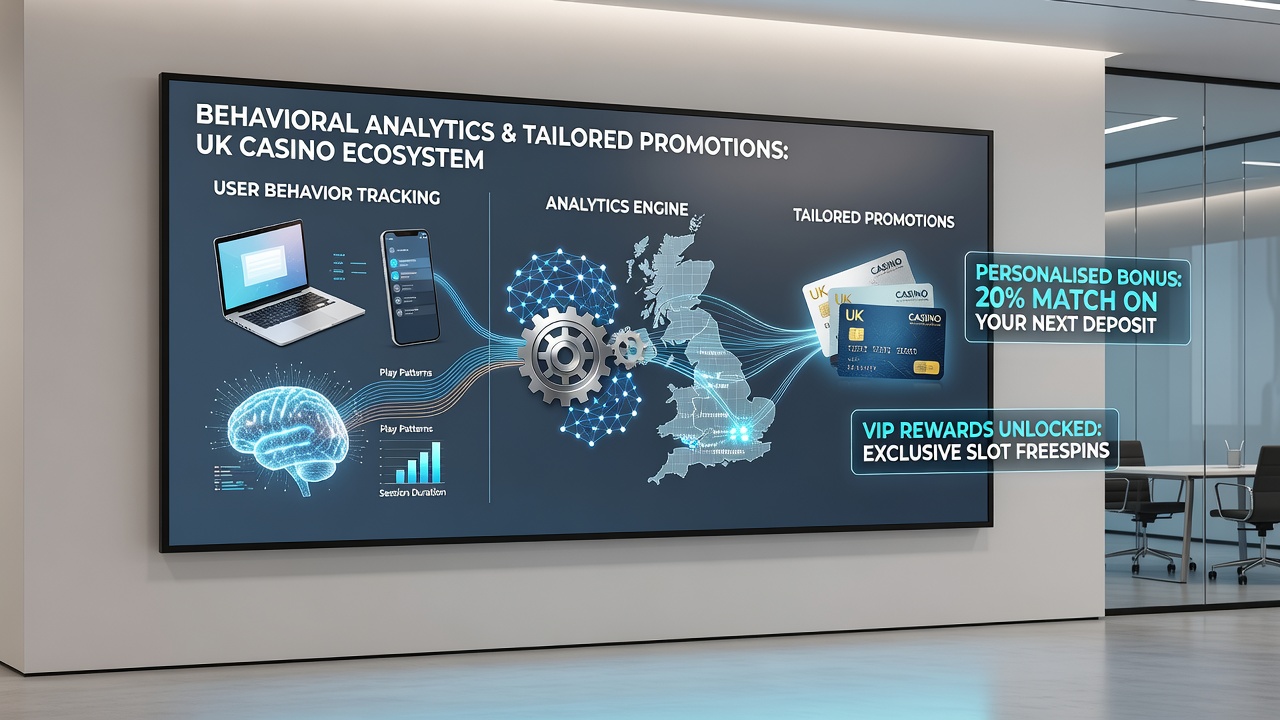
Behavioral analytics now guide how operators across UK casino platforms design and deliver promotions, turning raw player activity into targeted incentives that match individual patterns. Platforms collect details on session length, game preferences, deposit frequency, and withdrawal habits, then apply algorithms to match offers such as free spins or bonus credits to those specific behaviors. Research from the International Gaming Institute at the University of Nevada, Las Vegas shows that these systems process millions of data points daily to refine campaign timing and content.
Data Collection Methods Behind the Scenes
Operators gather information through account logins, in-game actions, and payment interactions, creating profiles that update in real time. Session data reveals whether a player favors slots or table games, while time-of-day patterns indicate peak engagement windows. According to studies published by the Australian Gambling Research Centre, platforms combine these signals with device type and navigation paths to segment users into groups that receive distinct promotional sequences. The process avoids static rules and instead relies on machine learning models that adjust thresholds based on observed outcomes.
How Analytics Translate into Tailored Promotions
Once profiles form, systems trigger offers that align with demonstrated habits rather than generic blasts. A player who logs in during evening hours and completes multiple short sessions might receive reload bonuses timed for those windows, whereas someone who explores new titles could see free spin packages on recently added games. Evidence from industry reports indicates that conversion rates rise when promotions match these granular details, because recipients already show interest in the featured activity. Platforms test variations continuously, swapping reward structures to measure response across different cohorts without altering core game mechanics.
Examples Across Major UK Platforms
Take one operator that noticed clusters of users abandoning games after reaching certain win thresholds. The platform introduced cashback offers triggered exactly at those points, resulting in extended play sessions tracked through follow-up data. Another site observed mobile users depositing smaller amounts more often and responded with tiered free spin bundles delivered via push notifications. Observers note that such adjustments occur weekly as fresh data streams in, keeping promotions current with shifting player groups. These cases illustrate how analytics move beyond broad categories into precise, behavior-linked rewards.
Integration with Broader Platform Operations
Analytics tools sit alongside compliance systems that monitor spend limits and self-exclusion flags, ensuring promotions reach only eligible accounts. Data pipelines feed both marketing engines and risk models, so an offer that increases activity in one segment can be cross-checked against responsible gambling indicators. Reports from Gambling Research Australia highlight similar dual-use frameworks in other regulated markets, where behavioral signals support both personalization and harm-minimization protocols. The same datasets that shape bonus structures also flag unusual patterns for review, creating overlapping workflows that run on shared infrastructure.
Future Adjustments Anticipated by Mid-2026
Operators prepare for regulatory shifts expected around June 2026 that may require clearer disclosure of how behavioral data informs promotions. Systems already log decision pathways so that audit trails can demonstrate compliance with emerging standards on transparency. Industry associations in several jurisdictions track these developments, noting that platforms with mature analytics setups face fewer implementation hurdles when new reporting rules arrive. Updates to segmentation logic will likely continue, incorporating additional variables such as cross-game migration rates while maintaining alignment with any revised licensing conditions.
Measuring Effectiveness Through Ongoing Tracking
Success metrics focus on redemption rates, average session extension, and retention intervals rather than headline figures alone. Platforms compare cohorts that receive analytics-driven offers against control groups exposed to standard promotions, revealing differences in engagement duration and repeat deposits. Data shows that refined targeting reduces wasted impressions on uninterested users, freeing resources for higher-yield segments. Those who monitor these campaigns report that iterative testing cycles shorten as models gain accuracy from accumulated results.
Conclusion
Behavioral analytics continue to define how UK casino platforms construct and time their promotions, linking observed actions directly to reward structures that vary by user. The approach relies on continuous data flows and adaptive algorithms that respond to real patterns instead of fixed assumptions. As platforms refine these systems ahead of anticipated 2026 requirements, the emphasis remains on measurable outcomes derived from player activity across devices and sessions.