Mapping Cumulative Reward Systems in Licensed Mobile Platforms
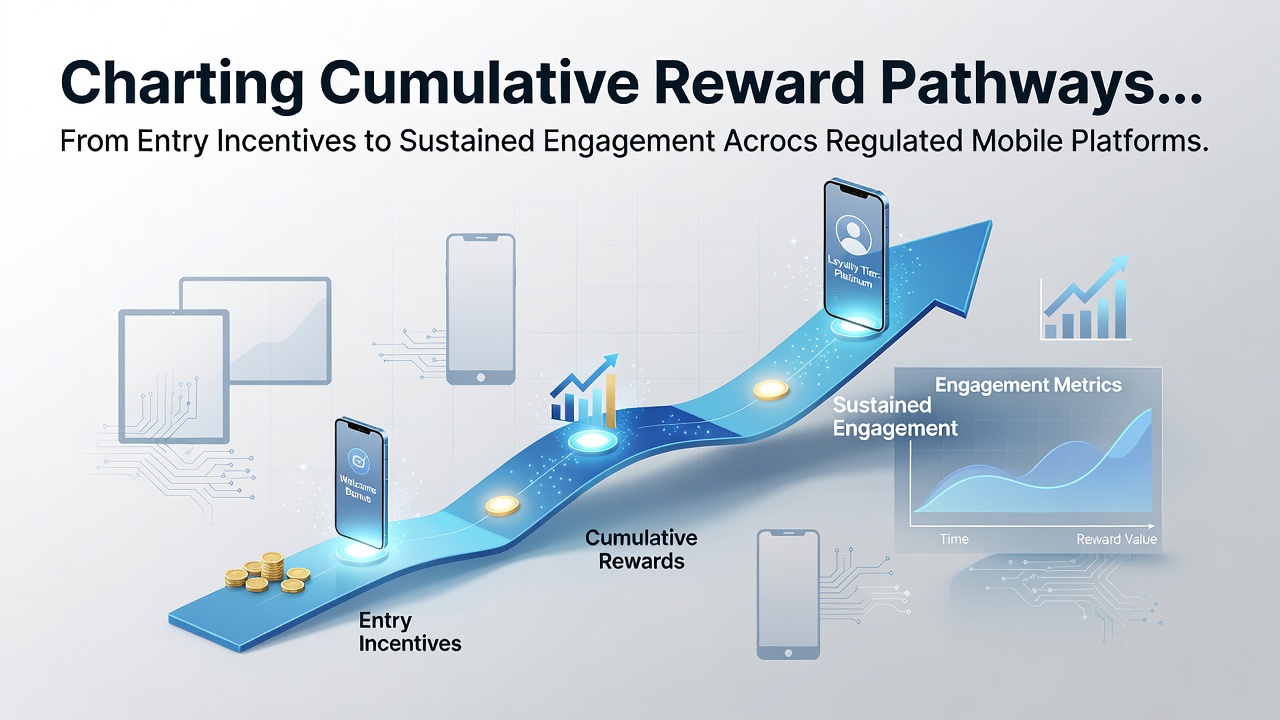
Regulated mobile platforms have developed structured systems where initial entry incentives transition into layered reward mechanisms that support continued user activity over extended periods, and data from industry reports illustrate how these pathways operate across different jurisdictions. Entry points often include sign-up credits or introductory offers that lower barriers for new participants, while subsequent stages introduce progressive elements such as tiered loyalty structures and activity-based multipliers that accumulate value through repeated interactions.
Studies on digital engagement patterns reveal that platforms licensed in multiple regions coordinate these incentives with compliance requirements, ensuring that reward accumulation aligns with rules on transparency and consumer protection. One analysis from a North American research group found that users who engage with early-stage offers show higher rates of progression to sustained sessions when platforms provide clear tracking tools for accumulated points or credits. This progression depends on seamless mobile interfaces that update reward balances in real time, allowing participants to visualize their advancement without interruption.
Initial Incentives as Starting Points
Entry incentives function as gateways in regulated environments, where mobile applications present welcome packages tied to verified account creation and first deposits, and these offers typically convert into playable balances that users can apply across game categories. Regulatory frameworks in places such as certain US states and Australian territories mandate disclosure of terms at this stage, which prevents misleading claims and establishes baseline expectations for how rewards convert into longer-term value. Observers note that platforms integrate these incentives with identity verification steps mandated by licensing bodies, creating a foundation that supports later cumulative tracking without compliance gaps.
Transition Mechanisms Toward Sustained Activity
Once users move beyond entry offers, platforms shift focus to mechanisms that build cumulative rewards through consistent participation, including daily login streaks, challenge completions, and cross-game progression systems that stack benefits over weeks or months. Research indicates that these layers rely on algorithmic adjustments that increase reward density for users who maintain activity thresholds, and the result appears in retention statistics published by platform operators. Mobile optimization plays a central role here because push notifications and in-app dashboards deliver timely updates on accumulating balances, which encourages return visits without requiring external prompts.
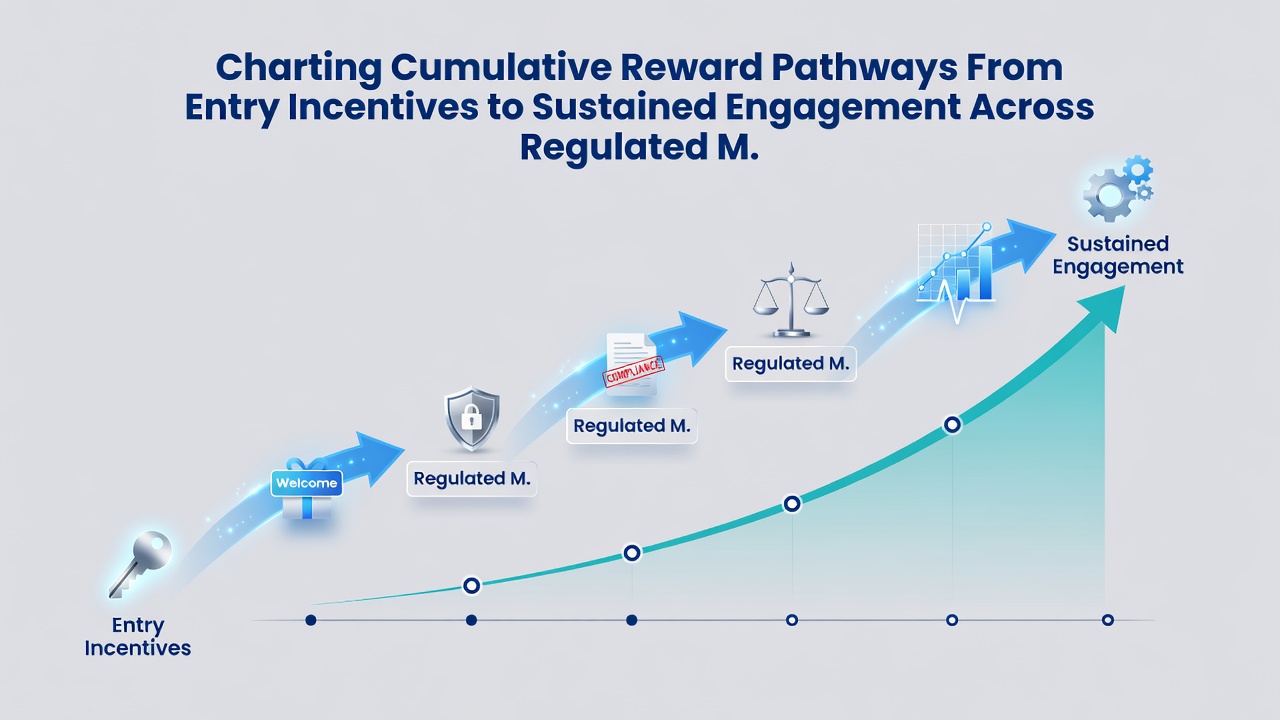
Platforms licensed under frameworks outside the United Kingdom often reference guidelines from bodies such as the Federal Trade Commission when designing these transition points, ensuring that reward disclosures remain consistent as users advance. Data collected across multiple markets shows that users who receive visible progress indicators at this stage demonstrate extended session lengths compared with those on platforms lacking such features. And because mobile hardware supports rapid data synchronization, these indicators update across devices, maintaining continuity for users who switch between phones and tablets during a single day.
Regulatory Influences on Reward Structures
Licensing conditions require platforms to maintain audit trails for all reward issuances, which allows regulators to verify that cumulative pathways do not create unintended obligations or exceed permitted prize limits. Updates planned for July 2026 in select jurisdictions will introduce additional reporting standards for loyalty program transparency, prompting operators to refine how they present accumulated benefits to users. These changes build on existing rules that already demand separation between promotional funds and user deposits, thereby protecting the integrity of reward pathways throughout the engagement lifecycle.
Industry organizations such as the American Gaming Association have compiled data showing that regulated platforms with robust tracking systems experience lower dispute rates related to reward redemption, which supports broader user confidence in the cumulative process. Experts examining cross-border operations emphasize that mobile platforms must adapt reward algorithms to local currency and tax rules while preserving the overall flow from entry incentives to sustained engagement metrics.
Conclusion
Cumulative reward pathways in regulated mobile platforms operate through coordinated stages that begin with accessible entry incentives and extend into ongoing engagement features supported by real-time tracking and compliance oversight. Evidence from multiple regulatory regions confirms that transparent design at each transition point contributes to measurable retention outcomes, and forthcoming adjustments in 2026 will further standardize how these systems communicate value to participants. Platforms that integrate these elements effectively continue to demonstrate stable activity patterns across diverse user bases.