Loyalty Programs and Table Game Incentives: Interconnections in Regulated Online Spaces
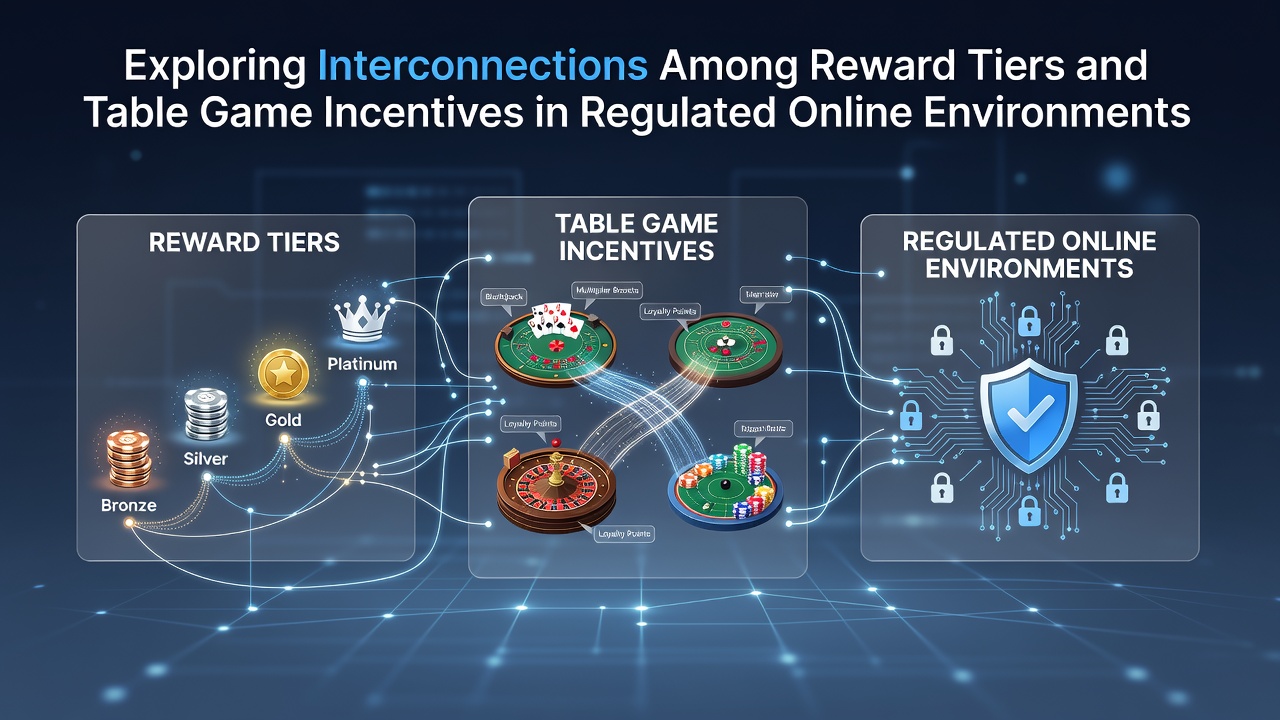
Regulated online gambling platforms organize player rewards into tiered structures that often connect directly with incentives for table games such as blackjack, roulette, and poker variants, creating systems where activity in one area influences benefits in another. Operators design these frameworks to encourage sustained participation while adhering to licensing requirements across multiple jurisdictions.
Structure of Reward Tiers in Digital Environments
Tier systems typically progress through levels based on accumulated play volume, deposits, or specific game categories, with entry points ranging from basic access to premium status. Higher tiers grant multipliers on rewards, exclusive events, and personalized offers, and data from industry reports shows that these structures maintain consistent participation rates when integrated with table game promotions. Observers note that platforms adjust tier criteria periodically to align with regulatory updates, including those scheduled for implementation in July 2026 in select markets that emphasize responsible integration of live dealer features with loyalty tracking.
Table Game Incentives and Their Design
Incentives for table games frequently include cashback percentages, free bet credits, and reduced house edges during promotional periods, tailored to encourage play in skill-influenced or chance-based formats. These offers differ from slot-focused bonuses because they account for longer session durations and varying bet sizes common in table environments. Research indicates that such incentives appear more often in jurisdictions with strict oversight, where operators must demonstrate clear terms to avoid misleading practices.
Interconnections Between Tiers and Table Game Rewards
The connections emerge when tier progression incorporates table game activity as a qualifying factor, allowing players to advance faster through levels by focusing on these games rather than other categories. For instance, some systems award bonus points at accelerated rates for roulette or blackjack wagers, which then unlock higher-tier perks like increased cashback on future table sessions or access to private tournaments. This linkage creates feedback loops where initial table game incentives support tier advancement, while elevated status enhances the value of subsequent table game offers.
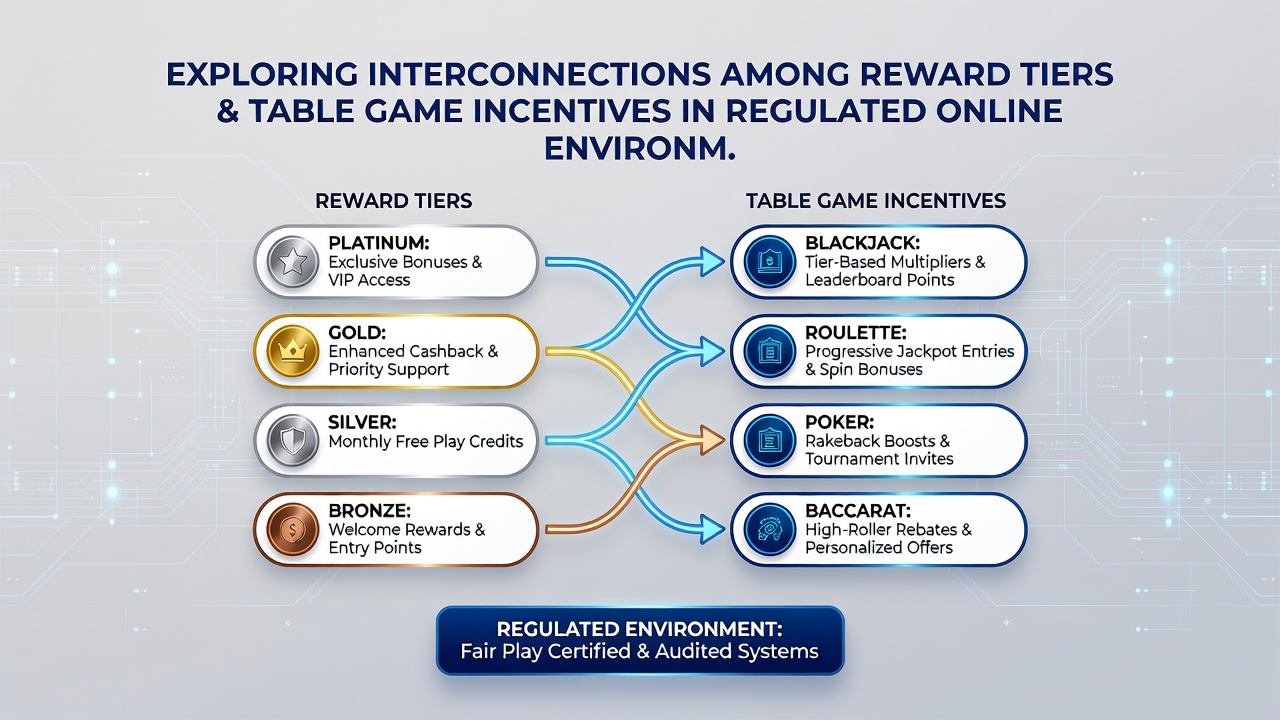
According to analyses from the American Gaming Association, operators in licensed markets track these patterns to balance revenue streams, noting that table game incentives tied to tiers can stabilize player retention during seasonal fluctuations. What's interesting is how certain platforms segment incentives by game type within tiers, offering live dealer bonuses exclusively to mid-level members while reserving high-limit table access for top tiers, thereby directing traffic toward monitored environments.
Regulatory Context Across Jurisdictions
Licensing bodies in regions outside the UK enforce rules that require transparent disclosure of how tier benefits intersect with table game promotions, ensuring players receive accurate information on wagering contributions and expiration policies. Data from the European Gaming and Betting Association reveals that integrated systems appear more frequently in markets with centralized reporting, where operators submit details on reward interconnections as part of compliance audits. Those who've studied these frameworks point out that adjustments effective around July 2026 in various locations will likely standardize tracking methods for table game activity within loyalty databases.
Player Engagement Patterns and Examples
Case studies from licensed platforms demonstrate that players who engage with tier-linked table incentives often extend session lengths compared to those using general promotions alone. One documented approach involves progressive multipliers that activate after a set number of table game rounds, directly feeding into tier points and unlocking compounded rewards. Researchers have observed similar patterns in North American and European markets, where the combination supports diversified gameplay without concentrating activity in single categories.
Conclusion
Interconnections among reward tiers and table game incentives continue to evolve within regulated online environments as operators refine systems to meet both commercial objectives and compliance standards. These structures rely on measurable activity metrics that link progression in one area to benefits in another, supported by data from established industry sources and regulatory reporting requirements. As frameworks adapt to upcoming changes including those in July 2026, the emphasis remains on clear documentation of how tier levels and game-specific offers interact across licensed platforms.