Integrating Mobile Credits with Live Table Thresholds to Drive Long-Term Casino Engagement
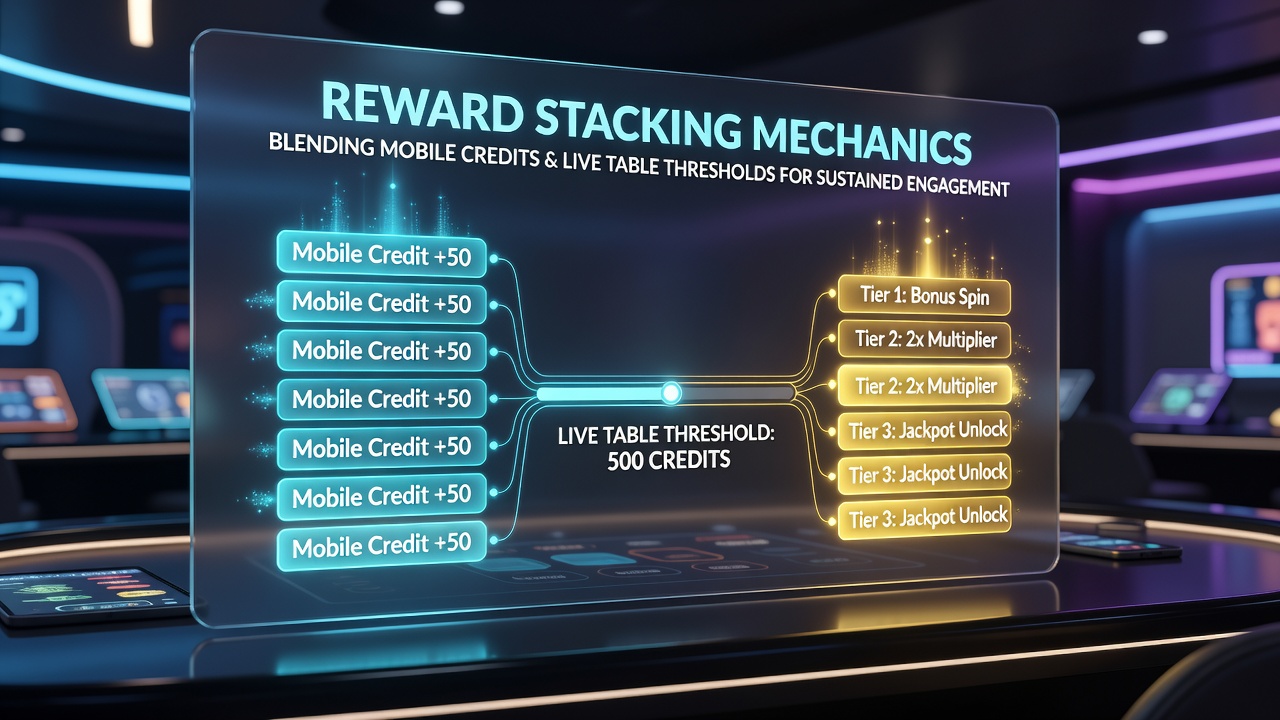
Operators have developed systems that combine mobile credit allocations with live table game benchmarks, creating layered incentives that encourage continued play across both digital and in-person formats, and these mechanics operate through defined accumulation rules that reset or escalate based on activity thresholds.
Data from industry reports indicate that such stacking approaches track player contributions in real time, where mobile credits serve as entry points that convert into table game multipliers once certain wager volumes are reached during live sessions, and this process relies on synchronized tracking platforms that link app-based accounts to physical or streamed table environments.
Core Components of Mobile Credit Allocation
Mobile credits typically originate from deposit matches or time-limited promotions delivered directly through casino applications, and these amounts carry specific validity periods that align with live table participation windows to prevent expiration before thresholds can be met. Systems monitor cumulative mobile credit usage alongside live table spend, allowing players to unlock additional credit layers once benchmarks such as minimum hands played or total chips wagered are satisfied during blackjack or roulette sessions.
Thresholds function as progressive gates, where initial mobile credits might require £50 in live table action to activate a secondary credit boost, and subsequent stages scale upward with higher volumes that reset daily or weekly depending on the operator's framework. Observers note that these mechanics draw from established loyalty program structures yet adapt them for hybrid mobile and live environments, ensuring credits remain accessible only through combined activity rather than isolated channels.
Live Table Threshold Mechanics and Stacking Rules
Live table thresholds establish measurable milestones tied to specific games, including number of rounds completed or average bet sizes maintained over defined intervals, and stacking occurs when mobile credits automatically apply as additional buy-in support once those milestones register in the central system. Research from gaming analytics firms shows that operators calibrate these thresholds to maintain session lengths around 45 to 90 minutes on average, with rewards escalating at intervals that correspond to typical player drop-off points.
One documented implementation ties mobile credit redemption to live dealer stream participation, where players accumulate progress bars visible in the app that fill with each completed hand at tables offering minimum stakes starting at £10. Once filled, the system releases stacked credits usable for further table play or transferable to other mobile game categories, and this integration prevents standalone mobile or table activity from fully maximizing available rewards.

Regulatory Context Around Implementation
Changes scheduled for July 2026 in certain licensing conditions require clearer disclosure of how combined mobile and live thresholds calculate toward reward eligibility, and these updates stem from broader efforts to standardize player information across digital platforms. Operators have adjusted tracking interfaces to display real-time progress toward each stacking layer, ensuring compliance with transparency mandates that apply to both app notifications and table-side displays.
Figures from international gaming associations reveal adoption rates of hybrid reward models have increased in markets outside the UK, with similar frameworks appearing in Canadian provincial operations and Australian state-regulated venues that emphasize cross-channel engagement tracking. Such systems undergo audits to confirm that threshold calculations remain consistent regardless of whether play occurs via mobile deposit or direct table interaction.
Player Journey Through Stacked Rewards
Players typically begin with a mobile credit deposit that appears in their account balance, then transition to live table sessions where the same account registers activity against the first threshold level, and completion triggers an automatic credit top-up visible both in the app and at the table interface. Subsequent layers require higher cumulative volumes, such as progressing from £100 to £300 in live wagers, which in turn releases credits with adjusted playthrough conditions that align with the original mobile allocation rules.
Case examples from operational reports describe sequences where a player deposits via mobile, receives an initial credit bundle, meets a live table threshold within the same evening, and receives stacked credits that extend the session without requiring additional deposits. These patterns appear in data collected by research institutions tracking session duration metrics across multiple jurisdictions.
Technical Integration and Tracking Systems
Backend platforms connect mobile credit ledgers to live table management software through API linkages that update thresholds every few seconds during active play, and this connectivity supports both land-based terminals and remote live dealer streams. Industry organizations such as the American Gaming Association have published guidelines on maintaining data integrity across these channels to prevent discrepancies in reward calculations.
Additional sources including university studies on behavioral tracking note that effective stacking relies on unique player identifiers that persist across mobile logins and table seat assignments, allowing seamless accumulation even when sessions span multiple days or locations. Updates to these systems often coincide with broader platform refreshes that incorporate new game variants or credit categories.
Conclusion
Mechanics that blend mobile credits with live table thresholds create structured pathways for reward accumulation that depend on combined activity volumes and defined benchmarks. Implementation details continue to evolve under regulatory timelines including those set for July 2026, while data from diverse sources such as the Responsible Gambling Council and academic analyses document consistent patterns in how these systems operate across different markets. Operators maintain these frameworks through synchronized tracking that supports sustained engagement without isolating mobile or live components.