Inside the Mechanics of Reward Layering: How Combined Offers Drive Session Lengths in British Casino Applications
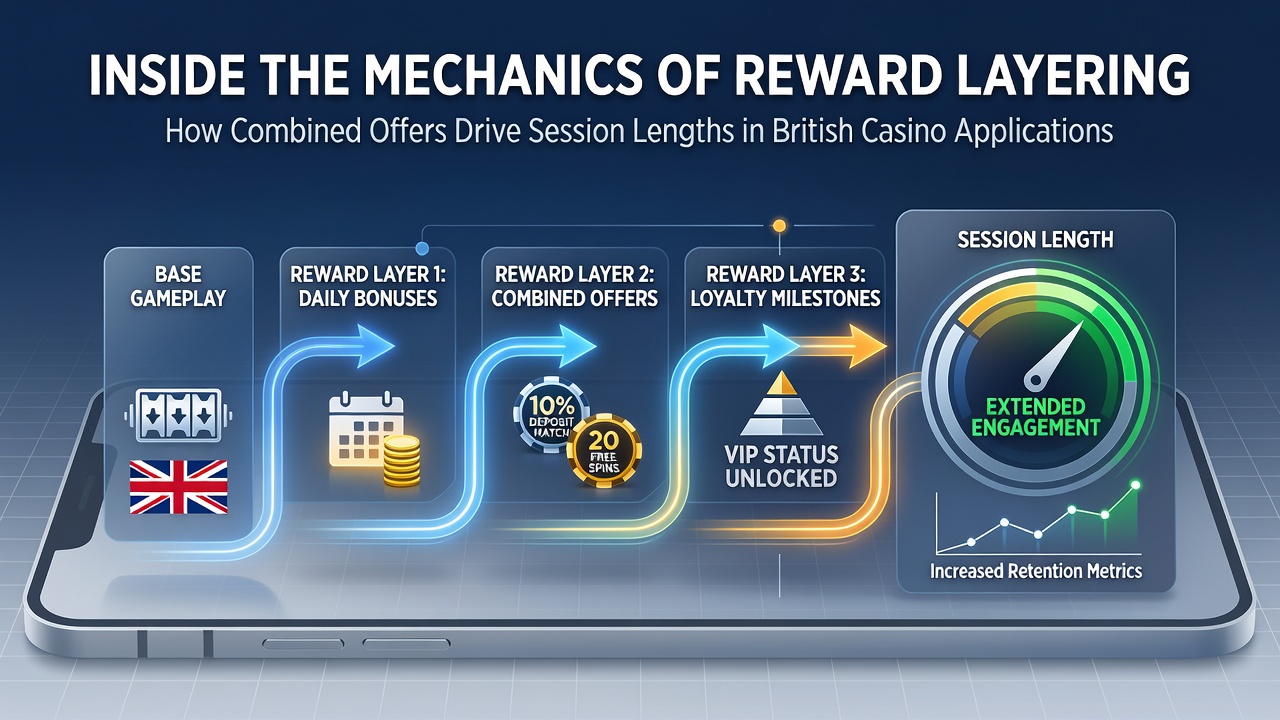
British casino applications layer multiple reward types to extend player engagement, and operators combine welcome matches, free spin allocations, cashback percentages, and loyalty point multipliers into single sessions that stretch beyond initial deposits. Data from industry reports shows these stacked incentives encourage continued play as users chase the next unlock threshold, while session analytics track how progressive requirements keep accounts active for longer intervals.
Core Components of Layered Reward Systems
Deposit bonuses form the base layer in most applications, yet they rarely stand alone since developers attach free spin bundles that activate only after the first wager completes. Cashback offers sit on top of those spins, returning a percentage of losses once players reach daily or weekly targets, and loyalty programs add another tier where accumulated points convert into exclusive bonuses available solely to users who maintain consistent activity. Observers note that each layer includes its own playthrough condition, which means users must continue betting to clear prior requirements before accessing the next set of rewards.
Mechanics often tie session length directly to these thresholds, for instance when a 100 percent match bonus requires forty times the deposit plus bonus amount in wagers, and the attached free spins add another thirty times on winnings before withdrawal eligibility opens. Combined structures prevent quick exits because players who stop early forfeit portions of the layered value, and application interfaces display real-time progress bars that highlight remaining requirements to maintain momentum.
Session Extension Patterns Across Mobile Platforms
Application logs reveal that players who engage with at least three combined offers in one login extend their average session by twenty-five to forty minutes compared with those using single bonuses. The pattern holds because each layer resets or escalates the target, prompting additional spins or table rounds to meet the updated criteria. Mobile interfaces amplify this effect through push notifications that alert users when a new layer becomes available or when progress nears completion, pulling them back into active play without requiring manual checks.
Behavioral Triggers in Layer Design
Designers incorporate near-miss indicators and partial completions that feel close to payout, yet require one more round of play to finalize. These elements appear in both slot and live dealer sections, where combined offers apply across game types to prevent users from switching applications mid-session. Research from academic sources on behavioral economics indicates that such progressive structures increase time-on-device because the perceived value compounds with each completed segment, and users rarely calculate the full time commitment until several layers are already underway.
June 2026 brings updated compliance expectations for bonus transparency across several jurisdictions, requiring clearer display of all layered conditions before activation. Operators in Britain have begun adjusting interfaces to meet these forthcoming standards, which may influence how visibly progress trackers appear during extended sessions.
Integration of Loyalty and Real-Time Offers
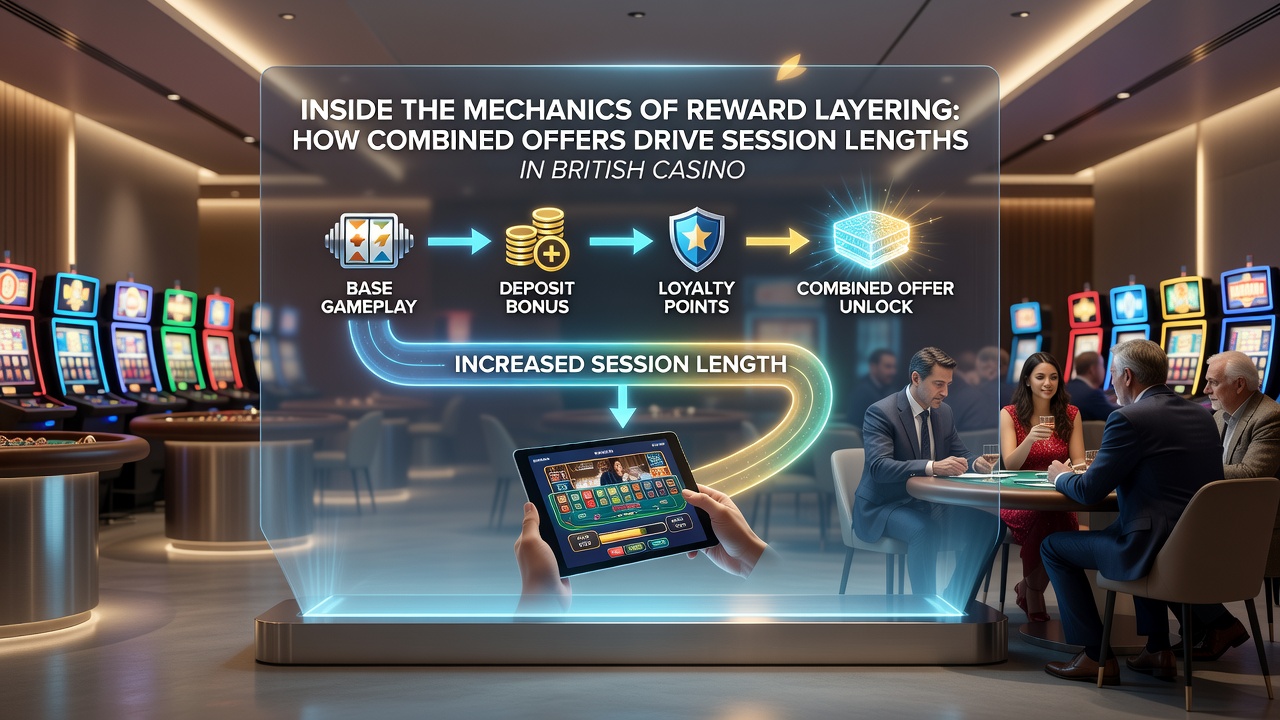
Loyalty ladders operate alongside temporary promotions that stack on top of base rewards, creating short-term spikes in session length when flash offers appear. Users who already hold active bonuses often extend play to qualify for the limited-time addition, since missing the window means losing the combined multiplier effect. Application data indicates these dual-layer events produce the longest continuous sessions, sometimes exceeding ninety minutes when both a standard cashback and a time-bound free spin bundle run concurrently.
External analyses from the Responsible Gambling Council highlight how such mechanics appear across various regulated markets, while reports from the Australian Gambling Research Centre document similar session extensions in comparable digital environments. British applications adapt these patterns to local preferences by emphasizing mobile-specific features like one-tap claim buttons and background progress tracking that keep users engaged even during brief interruptions.
Data Indicators of Extended Play
Aggregated figures reveal that applications employing four or more simultaneous reward layers record higher average session counts per user per week. Retention metrics improve when offers reset daily or weekly, encouraging return visits that build on prior progress rather than starting fresh each time. Those who've examined retention curves note that the steepest increases occur in the first thirty days after account creation, when welcome layers overlap most densely with early loyalty milestones.
Technical implementations use server-side tracking to prevent abuse while still allowing genuine accumulation across game categories. This balance keeps the layering functional without triggering premature session caps, and developers continue refining algorithms that adjust offer visibility based on individual play history to sustain engagement without repetition.
Conclusion
Reward layering in British casino applications functions through interconnected conditions that reward continued activity across multiple incentive types. Session lengths increase as users navigate successive requirements, supported by interface elements that maintain visibility of remaining targets. As regulatory expectations evolve toward June 2026, transparency adjustments may reshape how these layers present themselves, yet the underlying mechanics that tie combined offers to extended play remain central to current application design.