Following Credit Trails from Welcome Offers to Mobile Live Dealer Tables

Operators track how initial welcome package credits move through wagering stages before players access real-time dealer tables on mobile networks, and data from industry reports show structured pathways that link bonus activation directly to live engagement sessions.
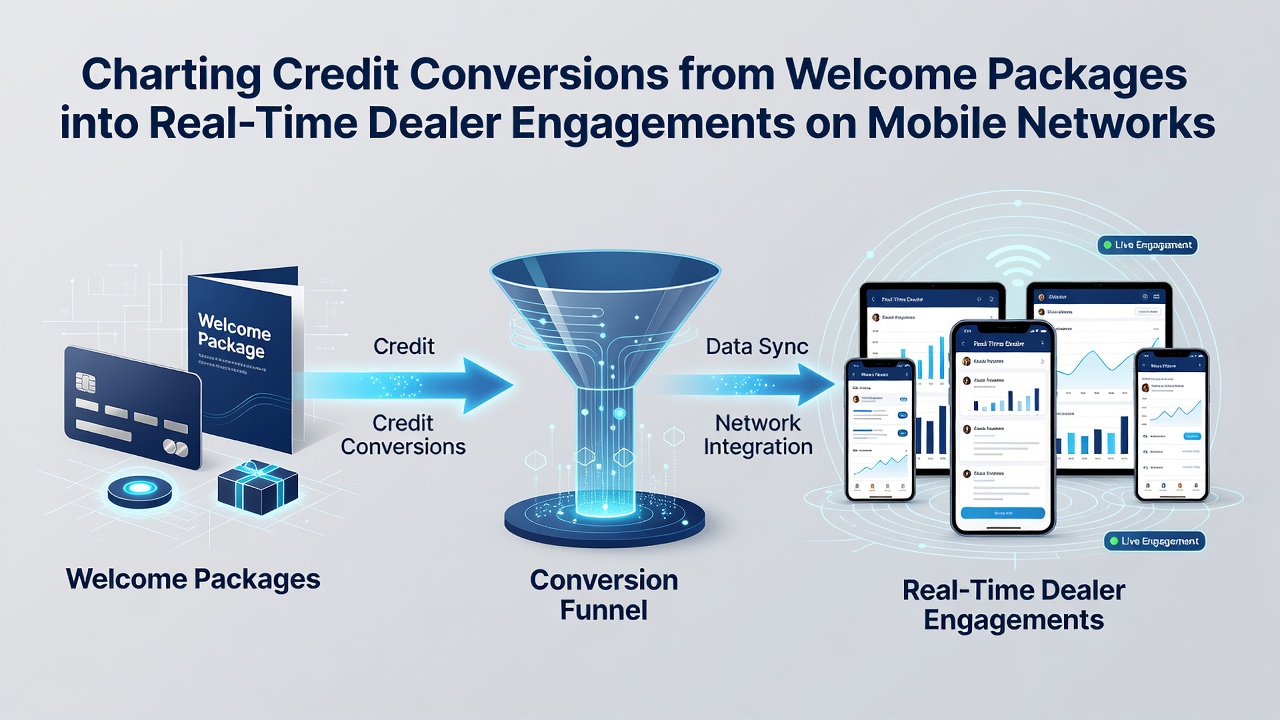
Systems convert these credits by applying playthrough requirements that accumulate across selected games, while mobile platforms handle the technical handoff between bonus wallets and live dealer streams without interrupting session flow. Research from the Australian Gambling Research Centre indicates conversion rates improve when networks prioritize low-latency connections during peak hours.
Mechanics of Credit Conversion in Mobile Environments
Welcome credits enter player accounts with defined validity windows and game restrictions that guide their use toward table games, and developers program mobile apps to display real-time balances that update as wagers progress through live dealer rounds. Players often begin with slot or instant win titles to meet preliminary requirements before shifting to blackjack or roulette tables, whereas networks monitor these transitions to ensure compliance with licensing terms.
July 2026 brings updated technical standards for mobile operators in several jurisdictions, requiring enhanced encryption protocols during credit-to-live transitions, and these changes aim to reduce latency issues that previously disrupted dealer engagements. Observers note that networks adopting these standards report smoother handoffs between bonus phases and real-money table play.
Network Infrastructure Supporting Live Sessions
Mobile carriers integrate with casino servers through dedicated APIs that manage credit allocation during live streams, and this setup allows players to join dealer tables mid-session without reloading balances. Data shows that 5G rollouts have shortened average connection times for real-time interactions, enabling more fluid engagement once welcome credits clear initial hurdles.
One case documented by European operators revealed that optimized routing reduced drop-offs during conversion periods by routing traffic through regional nodes closer to player locations. Such adjustments keep sessions stable even when multiple users access live tables simultaneously.
Patterns Observed Across Player Journeys
Analytics platforms record how welcome credits typically convert within the first 48 hours of activation when players target live dealer options, and these patterns emerge because table games often carry higher contribution percentages toward playthrough totals. Networks log session durations that extend once credits transition fully, reflecting sustained engagement after the bonus phase ends.
Studies from the American Gaming Association highlight similar conversion timelines in markets where mobile live dealer offerings expanded rapidly, showing that players who complete welcome requirements early tend to maintain longer table sessions overall. This data helps operators refine mobile interfaces to highlight eligible live games during the conversion window.
Regulatory Context and Technical Updates
Licensing bodies enforce rules that govern how welcome credits interact with live dealer features on mobile, and upcoming adjustments scheduled around mid-2026 emphasize clearer disclosure of conversion mechanics within app interfaces. These requirements ensure players receive accurate balance updates before entering real-time tables, reducing disputes over credit application.
Operators respond by updating backend systems to flag restricted titles automatically, while mobile apps incorporate progress trackers that display remaining playthrough amounts during live play. Such features align with broader industry efforts to standardize mobile gaming experiences across regions.
Conclusion
Credit conversion from welcome packages into live dealer engagements continues to evolve alongside mobile network capabilities, and the July 2026 technical updates will likely shape how operators manage these transitions going forward. Industry data and regulatory frameworks together provide the structure for tracking these flows without interruption, supporting consistent player access to real-time tables once initial requirements are met.