Aligning Live Table Incentives with Mobile Session Dynamics

Live table game incentives on mobile platforms operate through structured reward mechanisms that respond directly to observed player behaviors during sessions, and data from multiple markets shows these systems track metrics such as bet frequency, session duration, and game selection in real time. Operators deploy algorithms that adjust bonus triggers based on these inputs, creating alignments where rewards appear at moments of high engagement rather than at fixed intervals. This approach stems from platform analytics that log every action, allowing incentives to scale with patterns like rapid successive bets or extended time spent at specific tables.
Core Mechanisms of Real-Time Alignment
Table game incentives in mobile formats incorporate elements such as progressive multipliers and session-based cashback that activate according to live data streams, and these features match the shorter, fragmented play sessions typical of smartphone users who often engage in multiple brief intervals throughout the day. Research from the University of Nevada, Las Vegas indicates that mobile table players exhibit higher rates of in-session switches between games compared to desktop counterparts, prompting incentive designs that reward continuity across those transitions. Platforms monitor variables including average bet size and table occupancy rates to calibrate offers, ensuring that a player maintaining consistent wagers receives targeted rewards without interrupting the flow of live dealer interactions.
Systems also integrate location and device data to refine delivery, whereas players on high-speed connections during peak evening hours encounter different incentive layers than those accessing sessions during commutes. This differentiation arises because analytics platforms process telemetry from thousands of concurrent users, and the resulting models predict when a live roulette session might benefit from an added streak bonus tied to consecutive outcomes. Observers note that such predictive layering reduces drop-off rates by matching reward timing to natural pauses in play, such as between dealer shuffles or after a completed hand.
Data Patterns Driving Incentive Timing
Play pattern studies reveal that mobile table sessions average between eight and fifteen minutes before players either switch tables or exit the app, and incentive structures have evolved to place activation points within those windows rather than at session start or end. Figures from industry reports compiled by the European Gaming and Betting Association demonstrate correlations between real-time bonus displays and sustained betting volume, with live blackjack tables showing measurable upticks in hand frequency when dynamic multipliers appear mid-round. These adjustments rely on machine learning models trained on historical session logs, which identify clusters of behavior such as increased stake escalation after wins or conservative play following losses.
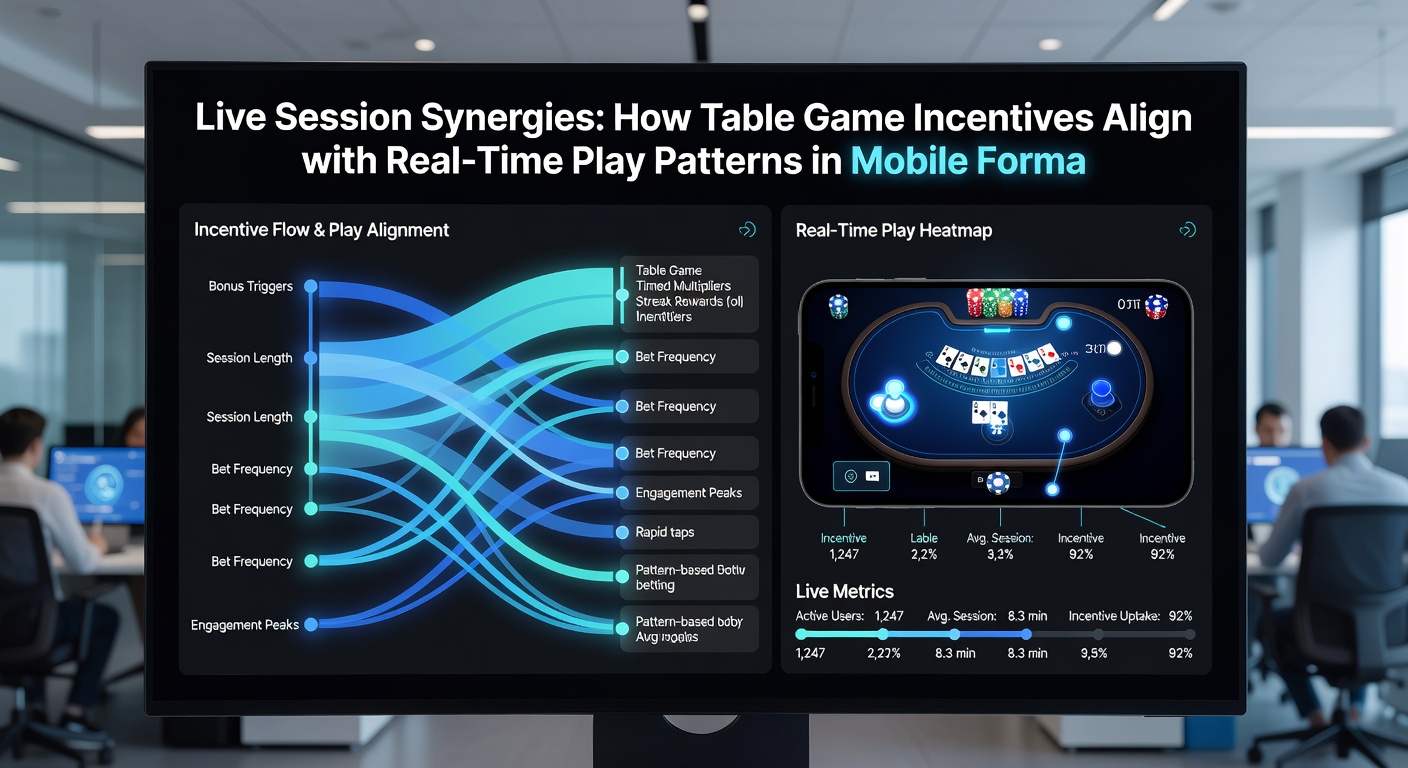
June 2026 saw several mobile operators incorporate enhanced API integrations that pull live dealer outcome data directly into reward engines, and this update enabled incentives to respond within seconds of pattern shifts, such as a sudden increase in side bet activity at a baccarat table. The change aligned with broader adoption of cross-device tracking, allowing a player's progression on one device to carry over seamlessly when they resume on another. Those who've examined aggregated datasets find that such integrations produce tighter feedback loops, where incentive visibility rises precisely during periods of elevated table interaction.
Examples of Synergistic Implementations
One documented case involves a live poker variant where mobile users receive incremental rake reductions after completing a set number of hands within a continuous session, and the threshold adjusts based on the individual's historical speed of play. This setup draws from real-time pattern recognition that flags users who maintain steady participation rates, delivering the benefit before fatigue sets in. Another implementation appears in mobile roulette environments, where streak-based incentives trigger after three consecutive wins on the same color, reflecting observed tendencies for players to extend sessions when momentum indicators appear on screen.
These examples illustrate how operators segment incentives by game type and player cohort, with high-frequency bettors encountering volume-linked rewards while strategic players see outcome-based variants. Platform logs indicate that alignment improves when incentives reference the specific mechanics of the table game in progress, such as tying a blackjack bonus to insurance bet frequency rather than generic playtime metrics. The result appears in retention statistics that track repeat logins within twenty-four hours of an aligned reward event.
Conclusion
Live session synergies in mobile table formats continue to develop through iterative refinement of data inputs and reward outputs, and ongoing platform updates maintain the connection between observed behaviors and incentive delivery. The structures remain grounded in measurable session variables, producing systems that respond to the distinct rhythms of mobile engagement without requiring manual intervention from either operators or players.